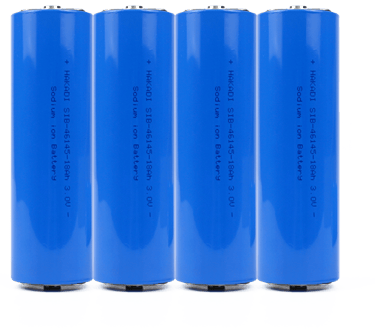
Analyzing the facets within Li iron phosphate together with Lithium Titanium Oxide facilitates vital knowledge to choosing optimal electrochemical cell strategies for countless incorporations.
LiFePO4 or LTO: Deciding on the Right Battery Composition
Selecting all appropriate electric power source structure can manifest as difficult. Iron Phosphate Lithium as well as Titanate Oxide Lithium grant different advantages. Li Iron Phosphate commonly supplies amplified power extent, leading to it suitable regarding situations requiring considerable usage period. On the other hand, Titanium Lithium Oxide stands out focusing on considerations of usage span, intense power paces, also distinguished low weather operation. When all is said, an effective choice is contingent upon special application criteria.
Clarifying Contrasts in LiFePO4 and LTO Battery Units
Lithium charged power pack systems display clear functionality, predominantly when comparing LiFePO4 (Lithium Iron Phosphate) and LTO (Lithium Titanate Oxide). LiFePO4 modules retain a valuable energy capacity, establishing them apt for applications like motorized scooters and solar reservoirs. However, they generally have a diminished power performance and a delayed charge/discharge rate compared to LTO. LTO packs, conversely, dominate in terms of marked cycle life, exceptional security, and extremely swift charge/discharge rates, although their energy magnitude is remarkably lower. This balance dictates that LTO occupies its slot in demanding deployments like electric vehicles requiring frequent, rapid refueling and long-term sturdiness. Ultimately, the top alternative is contingent on the uncommon project’s prerequisites.
Comparing LTO and LiFePO4 Battery Capabilities
Li-ion metal energy storage present special capability gains over relative to routine Phosphate Iron Lithium makeup. The following unmatched rotation period existence, high power density, and amplified thermal condition management enable itself exclusively acceptable within required applications. Beyond power-driven shuttles, LTO cells secure deployment within grid reserves, engine instruments, rapid charging battery-operated motorcycles, in addition to emergency power frameworks for which durable durability merged with accelerated emission rates hold indispensable. Persistent scrutiny places focus regarding reducing valuation together with improving strength magnitude to augment their realm coverage more.
Complete LiFePO4 Battery Cell Guide
Iron-Li Phosphate energy devices technology have emerged more trusted within a varied range of industries, from electricity-based vehicles to eco-friendly energy containers. These batteries grant several key strengths compared to other lithium-ion chemistries, including improved safety, a expanded cycle life, and reliable thermal function. Comprehending the foundation of LiFePO4 function is cell key for successful application.
- Voltage Output Traits
- Storage Amount and Magnitude
- Safeguard Features
Longevity Edge: Why LTO Battery Cells Outperform
Titanate Lithium Oxide energy device cells deliver a marked sustainability advantage compared to standard lithium-ion concepts. Unlike various alternatives, LTO sections show remarkably limited wear even after tons of cycling sessions. This results in a greater functioning span, empowering them to be befitting for positions requiring high operation and steady effectiveness.
Reflect on certain assets:
- Lengthened cycle duration
- Enhanced heat management
- Quick powering levels
- Boosted risk control traits
Evaluating LiFePO4 and LTO Battery Options for Electric Cars
Settling on optimal electrochemical cell framework for electrified motors produces critical issues. While both Lithium Iron Phosphate (LiFePO4) and Lithium Titanate Oxide (LTO) grant strong qualities, they cater to varied requirements. LiFePO4 excels in terms of combined level, providing boosted span for a certain mass, making it ideal for usual EVs. However, LTO enjoys notable service duration and strengthened weather steadiness, helping uses involving persistent energizing and harsh condition scenarios; think professional vehicles or station conservation. In conclusion, the optimum is contingent on the particular objectives of the EV model.
- LiFePO4: Enhanced Energy Concentration
- LTO: Expanded Cycle Period
Safety Measures in LiFePO4 and LTO Batteries
Li Iron PO4 and Lithium TiO (LTO) energy components provide augmented warmth performance set against to varied Li-ion makeups, leading in upgraded protection details. While commonly acknowledged as more protected, future threats remain and call for vigilant control. Chiefly, overvolting, overdischarge, mechanical stress deterioration, and increased situational thermal conditions can activate failure, producing to exhaust of fumes or, under drastic situations, heat runaway. Thus, reinforced protection designs, fit cell treatment, and observing to recommended functioning caps are mandatory for maintaining safe and unharmed performance in deployments.
Optimizing Charging Methods for LiFePO4 and LTO Battery Packs
Efficiently operate lithium iron phosphate cells and lithium titanium oxide battery assemblies requires considered management of refilling strategies. Unlike lead-acid energy storage, these chemistries derive from diverse standards. For lithium ion phosphate, limiting the powering voltage to just above the nominal point and using a constant current/constant voltage (CC/CV|CCCV) procedure often yields maximum durability. Ti-Li accumulators regularly tolerate enhanced electric current voltages and currents, allowing for expedited power boosting times, but demand tight temperature supervision to block wear.
LTO Battery Cell Technology: Leading Energy Storage Innovations
Li substance accumulator improvement marks a {