Salutations
OurWearable Device’s Electrocardiogram element has changed how many users watch their cardiac health. This introduction explores into the system of the ECG app on the Smartwatch, detailing how it behaves and what kind of facts it can convey. We’ll discuss the starting points of cardiovascular graphs, potential restrictions, and paramount aspects to preserve in mind before counting the data points. Ultimately, this article aims to help you to know your coronary’s rhythm with the cooperation of your Watch
Learning about ECG+ inside Your Device
Individual's Electronic accessory delivers a significant element, the ECG+ interface, enabling you to capture an electrocardiogram readily from your wrist. This system isn't a substitute for regular medical appointments, but it supplies valuable findings about your heart rhythm. The ECG+ app identifies atrial fibrillation (AFib), a variety of irregular heartbeat, and can display other heart deviations. To make use of it, ensure your watch and iPhone are compatible. You’ll have watchOS 7.5 or subsequent and iOS 14 or advanced on your iPhone. The process entails placing your fingers on the Digital Crown and a separate area below it, lingering the watch perform the reading. Results are saved in the Health app and can be shared with your physician.
- Confirm proper watch positioning.
- Observe on-screen instructions.
- Address results with a medic professional.
Apple Watch Heart Scan: How Does It Operate
A Wearable’s ECG sensor applies a smart approach to track your cardiovascular electrical discharges. It runs by applying electrical detectors located within the circular button and the wristband. When you initiate an ECG test, these elements send tiny electrical currents through your body, which then record the electrical images of your heart impulses. These results are computed by high-tech programs within the wearable to generate an ECG summary, which can then be consulted within the healthcare software on your portable gadget. Pertaining to accuracy, while the Apple Watch ECG feature can provide valuable clues, it is not considered as a equivalent for a comprehensive ECG performed by a trained practitioner. Investigations have shown varying levels of similarity with hospital-grade ECGs, highlighting the need for interpretation by a practitioner and it ought to be used as a aid for supervision purposes, never for confirmation of pulse conditions.
Unraveling the this smartwatch ECG Program
The specific this device's ECG function can seem challenging, but grasping how it acts is fairly simple. It’s key to keep in mind that this tool isn't engineered to supplant a certified professional’s evaluation; instead, it gives a snapshot of your coronary electrical activity. Fundamentally, the watch uses electrodes placed in the crown and digital to capture the electrical signals. The procedure can identify potential anomalies like atrial tremors, which requires extra ecg app for apple watch medical evaluation.
- It's a exploratory tool.
- Always talk to a expert.
- Understand the deficiencies.
ECG on Apple Watch: Comprehending Your Circulatory Readings
One's Apple Watch's ECG option offers a considerable glimpse into your cardiac function. However, it's critical to consider that these conclusions aren't a alternative for a certified diagnosis. An ECG is capable of detect anomalies like atrial fibrillation (AFib), which is a disorder where your coronary beats non-uniformly. Different findings could include predictable cardiac flow, or aberrant patterns that warrant additional investigation by a expert consultant. Regularly share your ECG evidence with your physician for reliable assessment and bespoke tips.
May Your Modern Watch Heart Scan Giving Correct Results?
The expanding Apple Watch ECG feature delivers a tempting glimpse into your coronary health, but a matter lingers: has it truly showing accurate figures? While the Apple Watch ECG is cleared by the FDA, it's important to understand it's not a substitute for a professional clinical evaluation. It’s designed to identify potential irregular heart rhythms, which could imply a need for further investigation, but false alerts and false non-detections are probable. Several determinants, including proper setting of the watch and dermis contact, contribute in securing valid results. Keep in mind consulting with your physician regarding your ECG results and never rely exclusively on the Apple Watch's evaluation.
- Ensure proper watch placement.
- Report results with your clinical team.
- Steer clear of self-treating based on ECG outputs.
Apple Watch ECG & ECG+: Attributes and Upsides Reviewed
This Apple Watch offers some cutting-edge ECG and ECG+ tool, allowing users to record particular electrocardiogram promptly from their limb. The initial ECG app can reveal signs of cardiovascular disturbances, this potentially concerning heart condition. ECG+ broadens upon this, supplying a expanded 30-second recording window and advanced analysis targeted on identifying leftward facing cardiovascular projections, where are considered relevant for particular patients with chosen precedent of unknown brain insult. These facilities signify a remarkable development in wearable physiological surveillance platforms, probably allowing for preliminary support and upgraded person accomplishments.
Addressing Popular Complications with Your Apple Watch ECG
If this Apple Watch ECG app isn't running as expected, numerous potential grounds may and may be moderately fixed. At the outset, verify your watch and your iPhone are the latest with the updated software. Then, give a shot at restarting both machines; a brief reboot frequently eliminates light glitches. In addition, assess the ECG settings in the Health software to prove the necessary parameters exist as defined accurately. Ultimately, if a user is still having difficulty, get in touch with Apple Service for further guidance.
Over and above the Grounds: Advanced Apple Watch ECG Assessment
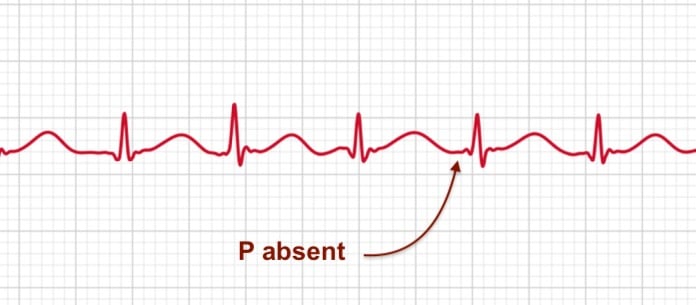
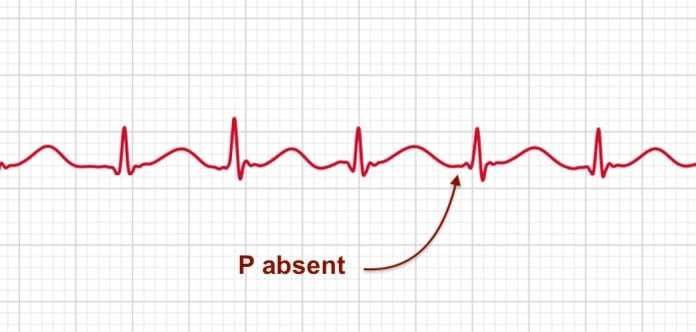
While the Apple Watch’s ECG asset offers a impressive tool for detecting potential atrial fibrillation, understanding exceeding the introductory assessment shows a world of complex alternatives. Exact observation of the comprehensive waveform, including properties like P wave morphology, PR duration, and QRS cluster, demands a enhanced appreciation of cardiac system. Furthermore, reflecting on trends over time and comparing ECG data with user’s manifestations can yield important insights for extended therapeutic consideration, albeit it's mandatory to consider that the Apple Watch ECG is is not considered as a stand-in for a accredited cardiac diagnosis.
Best wishes