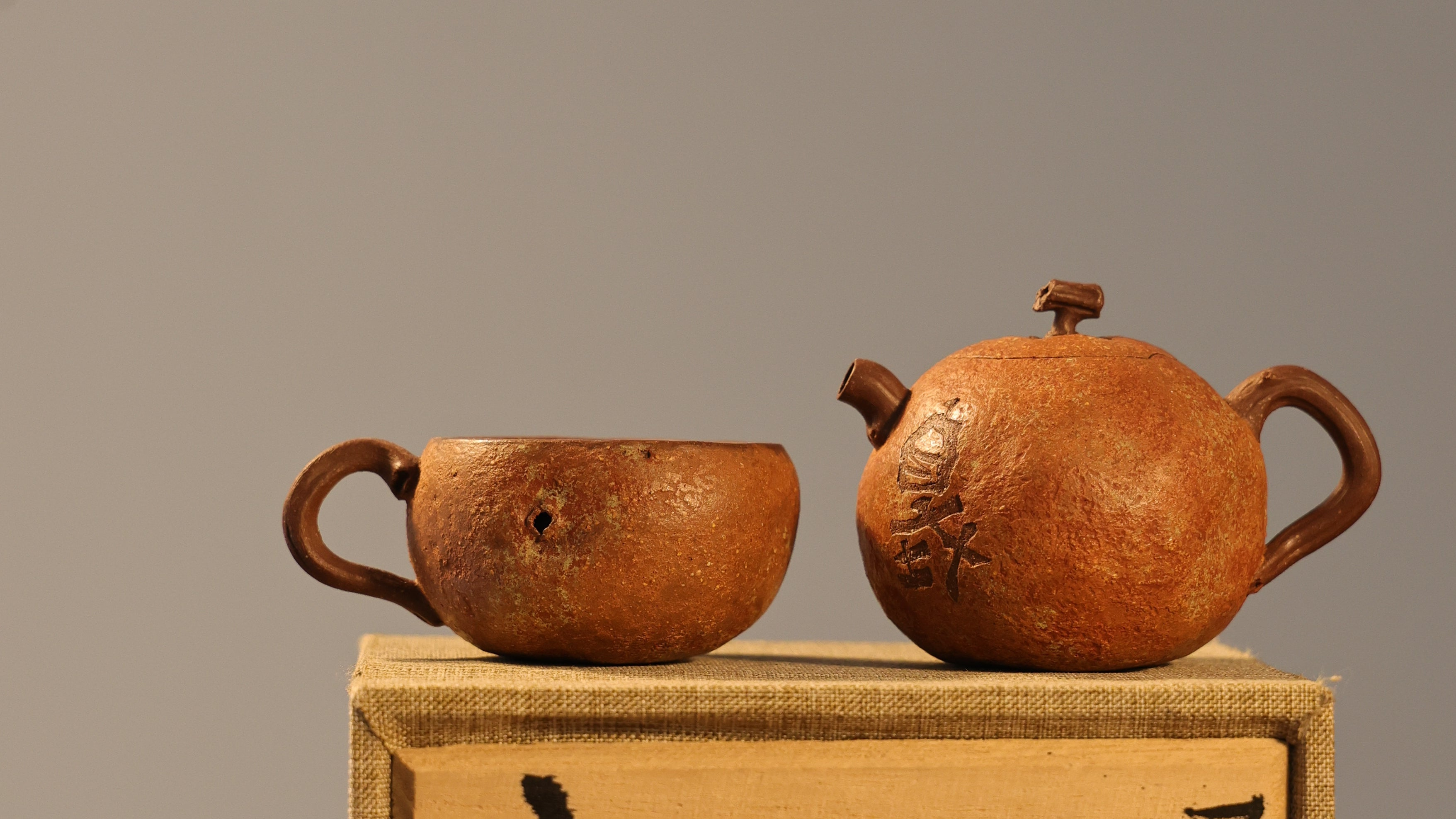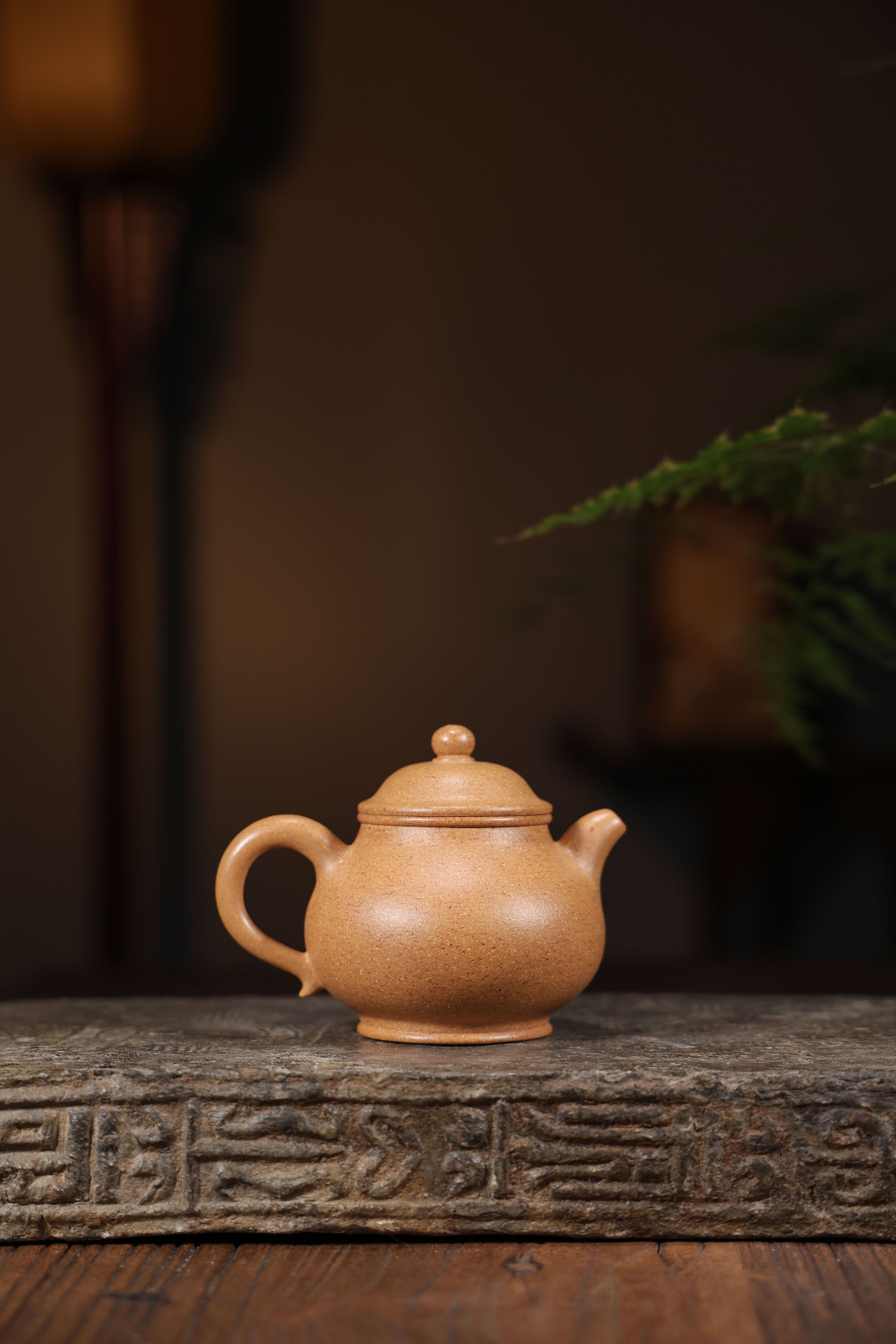
Across the expanse of historic epochs,
Amidst generations, collectors have been ensnared by the rare charm of Yixing Zisha carafes. Originating from the region of Yixing in the eastern province, these containers are renowned for their illustrious beauty, rare clay, and intrinsic ability to perfect the aroma of the beverage. The substrate's distinctive burgundy hue, combined with the adept manufacture of provincial builders, creates artworks that are at once functional productions and costly financial interests. Obtaining a Zisha teapot is more than just such a purchase; it's inviting a rich civilizational heritage.
Examining Yixing Teapots: Saga, Styles, and Importance
The Yixing teapots stand as a profound past deeply intertwined with Chinese culture. Emerging in the Yixing region of Jiangsu province, these clay vessels boast a heritage extending back to the Ming Dynasty. Initial examples were functional, but over centuries, Yixing teapot building evolved into an esteemed art form. The clay itself, known for its unique vitality and ability to raise the flavor of the tea, endures a defining factor. Yixing teapots appear in various forms, broadly categorized by shape: Classic such as Zhuni (purple clay) and Bisheng, as well as refined designs. The merit of a Yixing teapot varies on several factors, including the potter’s fame, the age of the piece, the rarity of the clay, and its aesthetic elegance.- Record: Ancient times
- Earth: Various types
- Worth Components: Potter’s reputation
Zisha Teapot Mastery: Art and Makers
The fabrication of a real Zisha teapot is a complex process, requiring extensive times of proficiency. Master artisans meticulously procure the highest quality Zisha clay, a singular earth found only in specific regions of China. Conventional techniques, often inherited through families, involve detailed shaping, delicate carving, and unhurried firing in ancient fireplaces. The final teapot isn't merely a holder; it's a testament to artistic vision and the serious connection between the artist and their inheritance. Each item showcases the singular touch of the artisan, resulting in a truly incomparable work of craft.
Ancient Pottery: Delving into the Rich Cultures of Yixing
Famous Yixing, located in Jiangsu the district, is commonly renowned for its exceptional earthenware – a tangible representation of centuries of Chinese artisanry. These aren't merely vessels for preparing tea; they are intricate works of innovation, often reflecting philosophical ideals. This Purple Clay Teapot unique purple clay, known as Zisha, possesses notable qualities: it dense, open to air, and imparts a subtle nuance to the tea.
- Several households have honed the techniques of Yixing container making, passing down traditional methods through lineages.
- Fans prize these pieces for their beauty and infrequency.
- Various piece tells a tale, connecting the consumer to a rich tradition.
Acquiring Yixing Zisha: Guiding Points
Upon studying investing in Yixing Zisha clayware, numerous parameters command careful attention. To begin with, the material's color is crucial; authentic Zisha generally exhibits a particular carmine depth. Also, consider the handiwork; well-defined details and a refined finish suggest experienced creation. Ultimately, determine the creator’s record; noted names garner elevated costs and often deliver a stronger return.
Zisha Teapot Tea Brewing Mastery
Producing palatable tea with a Zisha pitcher is more surpassing a simple practice; it's an science. Zisha clay, famous for its unique geological composition, imparts a delicate character to the finished tea that’s often wanting with other implements. The ideal water degree is crucial; typically, milder than what's used for black tea, to protect the tea's essence and note. Consider meticulously the tea variety; delicate green teas or aged pu-erhs benefit from the Zisha’s ability to lessen their original edge. It’s vital to rinse the teapot earlier than brewing, and to exclude over-steeping. Mastering this skill leads to a authentically exceptional tea experience.
- Realizing Zisha Clay
- Water Warmth & Kind of Tea
- Value of Warming Up
Caring for Your Famous Container
In order to extend the endurance of your prized Yixing ceramic pot, steady maintenance is fundamentally important. Forgo using abrasives; instead, delicately bathe it with tepid water. Escape drastic transitions; don't rest the vessel directly onto a thermally active platform. Periodically, develop the kettle by brewing it with top-notch puerh liquid, as this helps to increase its profile and defends the exclusive traits of the dirt.
Concerning Dirt to Vessel: The Development of a Zisha Utensil
A creation of a Zisha teapot is a intriguing approach, a demonstration to both the planet's bounty and the skill of the creator. It opens with the meticulous extraction of the exclusive clay from the crimson Zisha mines close to Yixing. This virgin material, known for its exquisite features, is then carefully clarified and ready for the preliminary forming. The bottle’s form is adeptly built using a combination of time-honored molding strategies, often incorporating intricate embellishments. Following ripening, the jug undergoes a critical first firing, preceded by a finishing stage, which might involve a series of layers of unprocessed Zisha slips. Finally, a second, and sometimes third, firing at intense temperatures finalizes the object, revealing its definitive beauty and magnificent characteristics - a honest masterpiece, available to enhance a tea gathering.
{Yixing Teapots: A Sign of the Legacy and Valuation
Famous Yixing teapots, originating from the renowned Yixing region of Jiangsu province, are far more than mere containers for brewing the beverage; they represent a significant aspect of Chinese artistry. Formed from distinctive purple clay – zisha – these singular teapots are highly coveted for their ability to boost the flavor of the tea and, crucially, for their charm. The past of Yixing teapot making spans centuries, and the artistry involved is conveyed through generations, making each teapot a craftwork that embodies historical techniques and a profound appreciation for the elegant pleasures in life.