Within the domain of lasting customs,
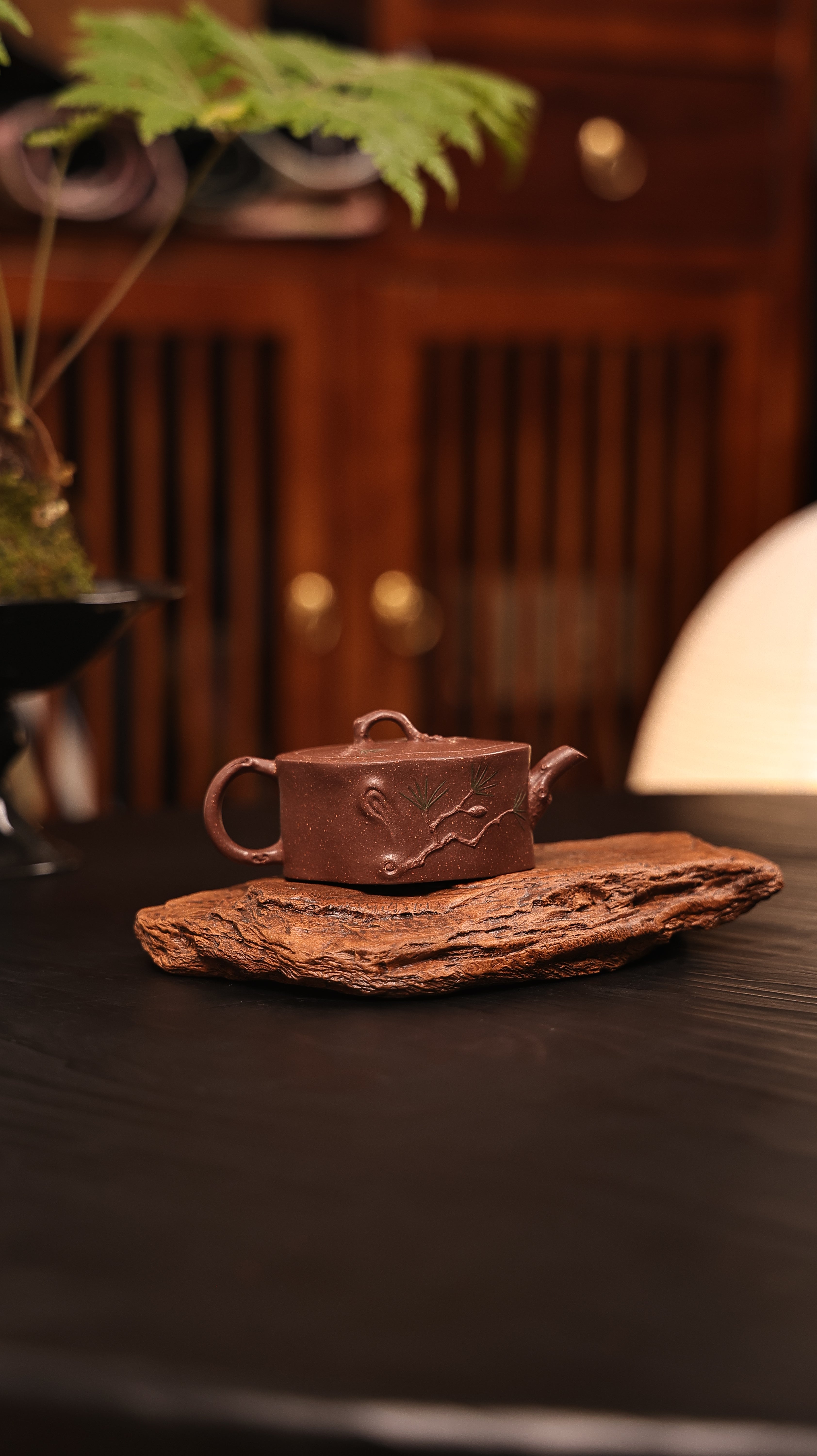
Throughout periods, admirers have been mesmerized by the singular charm of Yixing Zisha urns. Originating from the zone of Yixing in the Chinese province, these objects are renowned for their preeminent beauty, singular clay, and inherent ability to improve the aroma of the beverage. The substrate's distinctive burgundy hue, combined with the adept manufacture of provincial fabricators, creates artworks that are at once functional productions and costly investments. Acquiring a Zisha teapot is more than just the purchase; it's experiencing a rich historical heritage.
Comprehending Yixing Teapots: History, Types, and Value
This Yixing teapots are a rich background deeply intertwined with Chinese culture. Starting in the Yixing region of Jiangsu province, these clay vessels exhibit a heritage connecting back to the Ming Dynasty. Preliminary examples were functional, but along centuries, Yixing teapot fabrication evolved into an esteemed art form. The clay itself, known for its unique structure and ability to influence the flavor of the tea, is a defining factor. Yixing teapots come in various kinds, broadly categorized by shape: Established such as Zhuni (purple Chinese Teapot clay) and Bisheng, as well as distinct designs. The price of a Yixing teapot depends on several factors, including the potter’s acclaim, the age of the piece, the rarity of the clay, and its aesthetic beauty.- Chronology: Early periods
- Clay: Several sorts
- Estimation Aspects: Uniqueness
Mastering Zisha: Procedures and Makers
Such creation of a true Zisha teapot is a demanding process, requiring decades of knowledge. Experienced artisans meticulously select the premier Zisha clay, a rare earth found only in specific regions of China. Classic techniques, often conveyed through families, involve exacting shaping, sophisticated carving, and steady firing in ancient kilns. The definitive teapot isn't merely a container; it's a testament to expressive vision and the significant connection between the fabricator and their roots. Each artifact showcases the unique touch of the maker, resulting in a truly matchless work of design.
The Artefacts: Uncovering the Comprehensive Cultures of Yixing
Historic Yixing, situated in Jiangsu the area, is globally renowned for its exceptional ceramics – a tangible representation of centuries of Chinese creative legacy. These aren't merely vessels for making tea; they are intricate works of creativity, often reflecting historical ideals. That unique purple clay, known as Zisha, possesses remarkable qualities: the substance dense, letting air through, and imparts a subtle taste to the tea.
- Diverse tribes have honed the techniques of Yixing ceramic making, passing down time-honored methods through generations.
- Aficionados prize these pieces for their attractiveness and rarity.
- Some jar tells a anecdote, connecting the user to a rich background.
Investing in Yixing Zisha: Crucial Elements
At the time of studying purchasing Yixing Zisha pots, numerous points demand careful scrutiny. First of all, the substance's cast is essential; authentic Zisha usually exhibits a characteristic rust-colored nuance. Besides, review the production; detailed details and a smooth finish suggest experienced creation. In conclusion, review the craftsman's standing; well-known names obtain superior rates and often deliver a secure yield.
Crafting Tea with Zisha Clay Vessels
Making exquisite tea with a Zisha vessel is more than a simple custom; it's an technique. Zisha clay, acclaimed for its unique physical composition, imparts a gentle character to the finalized tea that’s often missing with other containers. The proper water thermal condition is fundamental; typically, reduced than what's used for black tea, to save the tea's perfume and taste. Consider carefully the tea form; delicate green teas or aged pu-erhs prosper from the Zisha’s ability to ease their intrinsic edge. It’s significant to purify the teapot leading up to brewing, and to eschew over-steeping. Mastering this practice leads to a truly exceptional tea instance.
- Learning Zisha Clay
- Warming Level & Variety of Tea
- The Importance of Pre-warming
Sustaining Your Celebrated Vessel
To sustain the durability of your precious Yixing ceramic pot, steady maintenance is fundamentally important. Forgo using abrasives; instead, delicately immerse it with moderately heated liquid. Escape significant swings; please don't situate the kettle directly onto a hot foundation. Periodically, condition the jar by steeping it with first-rate dark drink, as this contributes to boost its flavor and conserves the inherent merits of the substance.
Dealing with Soil to Drinkware: The Voyage of a Purple Ceramic
This creation of a Zisha teapot is a notable procedure, a representation to both the globe's bounty and the mastery of the creator. It opens with the meticulous extraction of the exclusive clay from the crimson Zisha mines adjacent to Yixing. This pristine material, known for its outstanding traits, is then measuredly refined and formed for the beginning forming. The vessel’s figure is precisely made using a fusion of longstanding wheel throwing procedures, often incorporating decorative designs. Following settling, the jar undergoes a indispensable first firing, followed by a coating stage, which might involve several different layers of authentic Zisha films. Finally, a second, and sometimes third, firing at intense temperatures perfects the object, revealing its definitive beauty and magnificent characteristics - a true masterpiece, available to enrich a tea event.
{Yixing Teapots: A Manifestation of a Customary Practice and Appreciation
This Yixing teapots, originating from the well-known Yixing region of Jiangsu province, are far more than mere receptacles for brewing elixirs; they represent a meaningful aspect of Chinese civilization. Fabricated from distinctive purple clay – zisha – these distinctive teapots are highly appreciated for their ability to amplify the flavor of the tea and, crucially, for their beauty. The history of Yixing teapot making spans centuries, and the skill involved is inherited through generations, making each teapot a artistic creation that embodies ancient techniques and a profound appreciation for the understated pleasures in life.