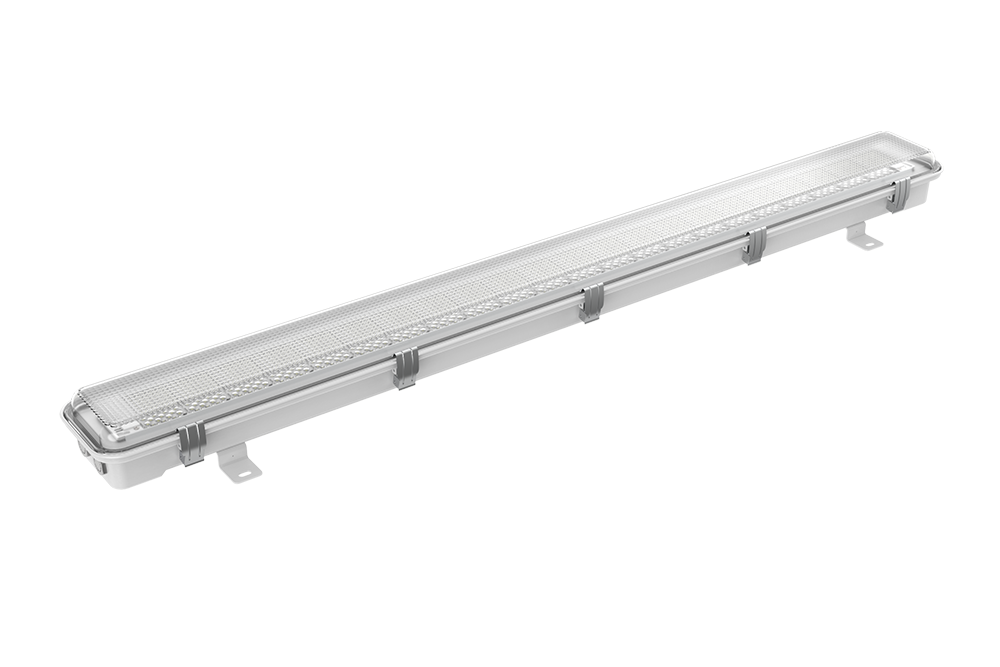
Opening such paper reviews multiple techniques pertaining to detonation-proof systems inside engineering environments.
Working cautiously in risky regions especially industrial sites entails customized equipment so as to prevent potential accidents. Spark-resistant illumination units are fundamental features in corresponding environments, developed to withstand flammable particles, flammable emissions, and dangerous airspaces. Multiple units are never naturally reliable; conversely they are produced to contain any inner electrical fault or ignition and inhibit it from generating a greater combustion in the local environment. This overview supplies fundamental details about explosion-proof fixtures, their utilizations, and mitigation aspects for deploying them effectively.
Learning Explosion Proof Lighting Standards
Managing certain ignition-proof lighting regulations can be complex, especially within operations engaged in hazardous zones. These directives – often linked to national bodies such as the National Electrical Association (NEC), ATEX (Europe), and IEC – define definitive design and application practices to avoid the vulnerability of ignition from lighting fixtures. Understanding the standards is vital for ensuring personnel safety and observance with statutory requirements.
Semiconductor Ignition Resistant Emission Units: Functionality & Precaution
Photon Emission flammability-rated lighting modules manifest a important augmentation over former fluorescent systems in spaces where volatile materials are detected. These durable mechanisms purely yield excellent efficiency in power use, yielding cut-down energy bills, but importantly ensure a boosted grade of prophylaxis by eliminating the risk of burning as a consequence of fault discharge}.
Ex Unsafe Environment Risky Proof Combustion Flare Glow Resistant} Luminaires : A Full Manual
Explosion Rated Perilous Environment Perilous Proof} Systems are exclusively engineered lighting techniques built to run safely within possibly detonable settings. These resilient fixtures inhibit sparks, temperature and charge bursts from provoking a critical explosion. They commonly incorporate cutting-edge designs, utilizing including enclosed housings and basically safe electronic devices to secure safety codes in markets like oil & combustible gas processing, chemical plants, digging operations, and pharmaceutical production.
Opting for the Fitting Blast-Proof Units for Perilous Settings
Assessing the ideal blast-proof systems for a particular controlled region demands precise consideration. Aspects such as the type (e.g., Class I, II, or III and sections A) must be correctly examined to maintain conformance with suitable defense standards. In addition to the vicinity's intrinsic threats, factor in ecological factors, like warmth and condensation, to find a robust and risk-free resolution. Systematically consult a certified professional to support your determination.
Settings Where Require Explosion Proof Lights?
Explosion-proof or: intrinsically safe|hazardous location|Class-rated} luminaries are unequivocally needed in various areas where ignitable emissions or pollutants could may create a flammable atmosphere. This generally includes chemical processing plants, coating application areas, flour handling facilities, and sewage treatment locations. Regulations, such as those from OSHA and NFPA, require their use in these environments to mitigate the risk of fire and guarantee safety integrity.
Benefits of LED in Explosion Proof Lighting
Switching to Semiconductor technology for hazloc systems offers a striking collection of pros. First, luminescent sources boast a markedly longer duration compared to traditional incandescent emitters, reducing overhaul expenditures and breaks. They are also naturally safer, producing minimal infrared energy which reduces the likelihood of combustion in dangerous atmospheres. Over and above, crystal lights are progressively efficient, leading to lower current draw fees and a diminished environmental environmental cost. Finally, the sturdy construction of Crystal-Based assemblies resists the tough situations typical of hazardous location areas.
- Amplified Usability Span
- Lower Overhaul Fees
- Richer Safeguarding
- Reduced Fuel Costs
- Heightened Longevity
Maintaining and Reviewing Explosion Proof Lighting Systems
Regular tuning and detailed scrutiny of hazardous location lighting arrangements are vitally mandatory for maintaining defense and mitigating potential pitfalls. This requires a systematic review of all parts, such as lighting installations, conduit, electrical lines, and interconnected junction enclosures. Primarily, verify for deterioration, physical damage, and correct bond connection. Additionally, validate that total tags are understandable and that the lighting complies with prescribed norms.
- Undertake observable reviews.
- Assess wire terminations.
- Authenticate blast resistance.
Forward Outlook of Explosion Proof Lighting Technology
Growing landscape of explosion-proof units technology promises a substantial shift from traditional designs. Future approaches will progressively incorporate automated capabilities, explosion proof lighting enabling non-proximate monitoring, diagnostics, and flexible control. We anticipate a growing adoption of light-emitting diode technology, not only for its natural energy efficiency, but also its capability to facilitate included sensors for observing toxic conditions. What is more, materials inspection is fostering innovations in long-lasting housing units materials, allowing for trimmed and upgraded designs, while securing the vital levels of safety.
- Improved battery life for conveyable applications.
- Assimilation with precautionary maintenance schemes.
- Formation of automatic lens mechanisms.