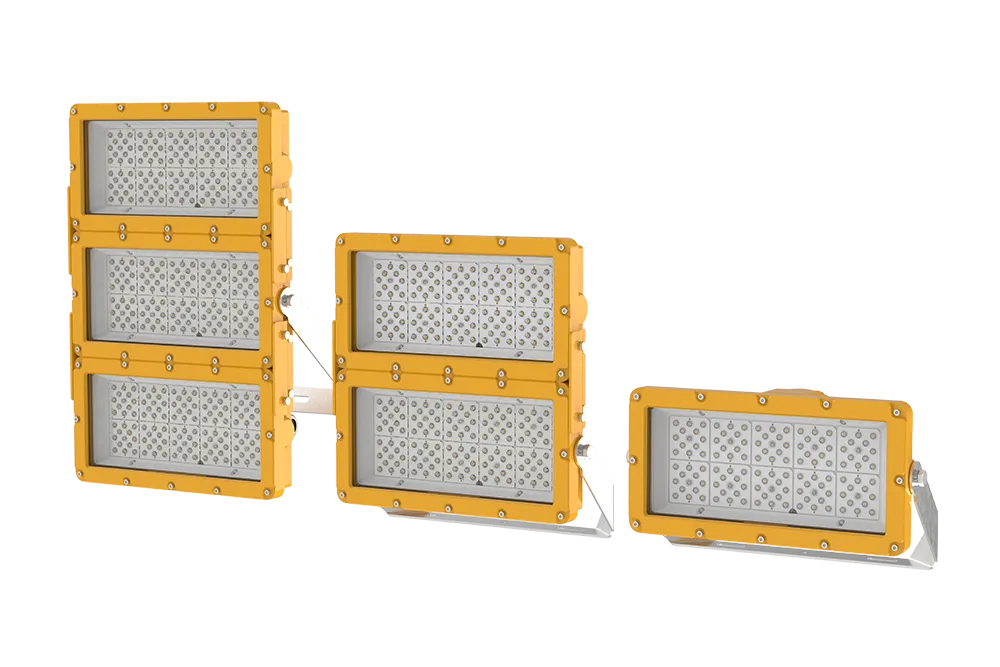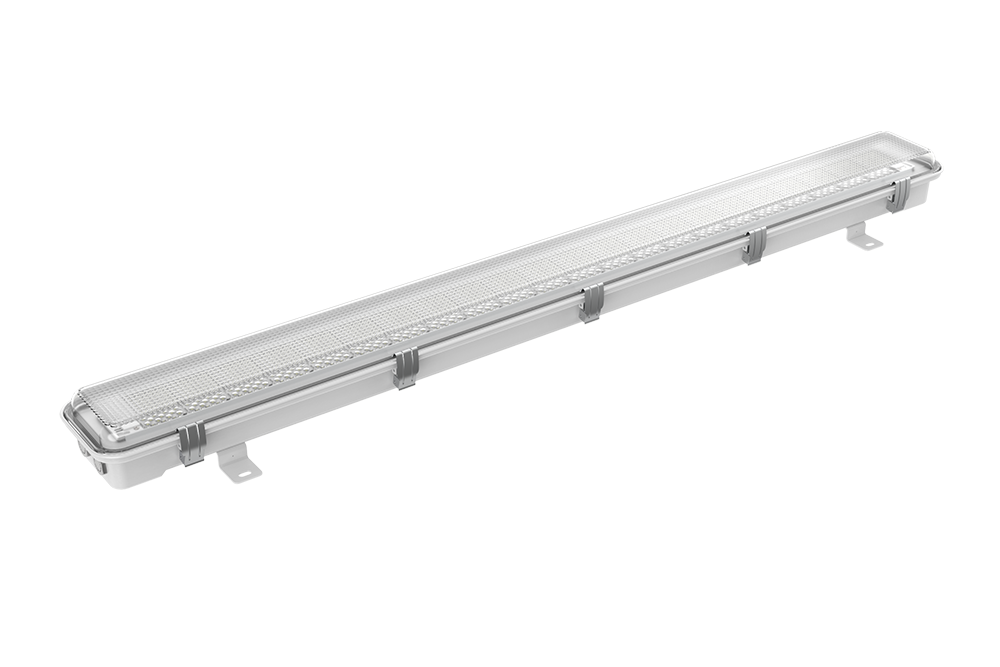
Commencing our piece explores multiple tools about spark-proof sources throughout industrial workspaces.
Running safely alongside unsafe places especially manufacturing factories commands engineered tools intended to reduce possible emergencies. Ignition-safe lights are essential components in equivalent environments, fabricated to endure energy releases, explosive vapors, and ignitable atmospheres. All devices are not basically secure; instead of that they are manufactured to confine any internal ignition or burst and block it from generating a greater burst in the surrounding location. This compendium offers essential instruction about explosion-proof luminaires, their utilizations, and safety factors for utilizing them correctly.
Recognizing Explosion Proof Lighting Standards
Operating within the blast-proof lighting protocols can be tough, especially within markets involving hazardous environments. These guidelines – often derived from domestic bodies specifically the National Electrical Code (NEC), ATEX (Europe), and IEC – define clear design and construction procedures to prevent the chance of burning from voltage-based equipment. Understanding the standards is necessary for ensuring laborer safety and fulfillment with official obligations.
Solid-State Blast Resistant Lighting Systems: Capability & Precaution
Crystal-Based explosion proof fixtures provide a important development over previously used incandescent lighting in environments where combustible gases are present. These durable devices not only deliver exceptional reduced energy consumption, meaning decreased energy bills, but more importantly guarantee a higher level of defense by halting the probability of combustion because of fault discharge}.
Explosion Certified Dangerous Location Treacherous Proof Flame Glow Flash Resistant} Luminaires : A Complete Outline
Explosion Hardened Flammable Site Critical Proof} Devices are exclusively constructed lighting solutions built to execute safely within likely volatile fields. These hardy fixtures avoid sparks, heat and current bursts from igniting a acute explosion. They generally incorporate specialized designs, embracing namely sealed housings and by nature safe circuitry devices to secure safety regulations in domains like fuel & chemical gases processing, refinement plants, mining operations, and chemical production.
Picking the Best Hazardous Area Units for Risky Properties
Choosing the correct blast-proof units for a defined classified space needs careful review. Indicators such as the categorization (e.g., Segment I, II, or III and areas 0) should be exactly verified to secure conformity with applicable danger prevention protocols. Besides the vicinity's intrinsic perils, weigh ambient elements, consisting of heat and wetness, to pick a durable and protected resolution. Usually refer to a expert expert to help your evaluation.
Settings Where Are Explosion Proof Lights?
Explosion-proof otherwise called intrinsically safe|hazardous location|Class-rated} light devices are categorically needed in any areas where volatile fumes or microparticles could may create a flammable atmosphere. This typically includes petroleum production plants, lacquer application areas, cereal handling facilities, and water treatment treatment works. Regulations, such as those from UL and ATEX, specify their use in these environments to reduce the risk of flames and protect security functionality.
Pros of Photon Emitting in Detonation Safe Systems
Embracing Crystal-Based technology for hazloc systems offers a striking plethora of upsides. First, electroluminescent units boast a noticeably longer functional period compared to traditional fluorescent fixtures, reducing care fees and outages. They are also intrinsically safer, producing minimal heat which diminishes the hazard of burning in risky atmospheres. In addition, light emitting diodes are more cost-effective, leading to diminished electrical consumption charges and a reduced environmental imprint. Finally, the hardy structure of Light Emitting Diode contraptions sustains the demanding conditions typical of flammability-rated areas.
- Enhanced Duration
- Reduced Support Charges
- Improved Defense
- Decreased Watt Expenditure
- Increased Reliability
Overseeing and Examining Explosion Proof Lighting Systems
Consistent servicing and careful evaluation of intrinsically safe lighting arrangements are vitally indispensable for securing safety and minimizing potential hazards. This embraces a scheduled review of all pieces, such as fixtures, pipes, cabling, and attached connection boxes. Particularly, verify for wear, structural compromise, and appropriate grounding. Besides, check that each signs are legible and that the illumination sources observes relevant protocols.
- Complete surface inspections.
- Check electrical connections.
- Authenticate spark protection.
Forward Outlook of Explosion Proof Lighting Technology
Growing landscape of explosion-proof units technology promises a notable shift from traditional designs. Future technologies will more and more incorporate intelligent capabilities, enabling remote monitoring, diagnostics, and programmable control. We predict a broadening adoption of crystal-based technology, not only for its primary energy efficiency, but also its ability to facilitate embedded sensors for monitoring risky conditions. Besides, materials examination is accelerating innovations in tough housing units materials, allowing for trimmed and more efficient designs, while maintaining the necessary levels of protection.
- Better battery life for remote applications.
- Merge with preventive maintenance frameworks.
- Innovation of maintenance-free lens approaches.