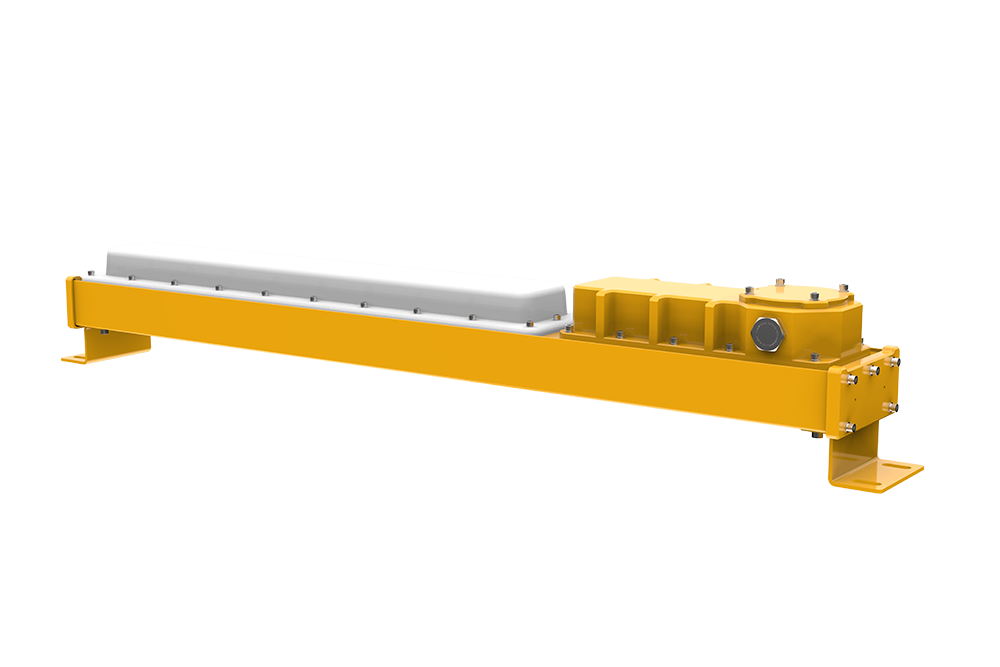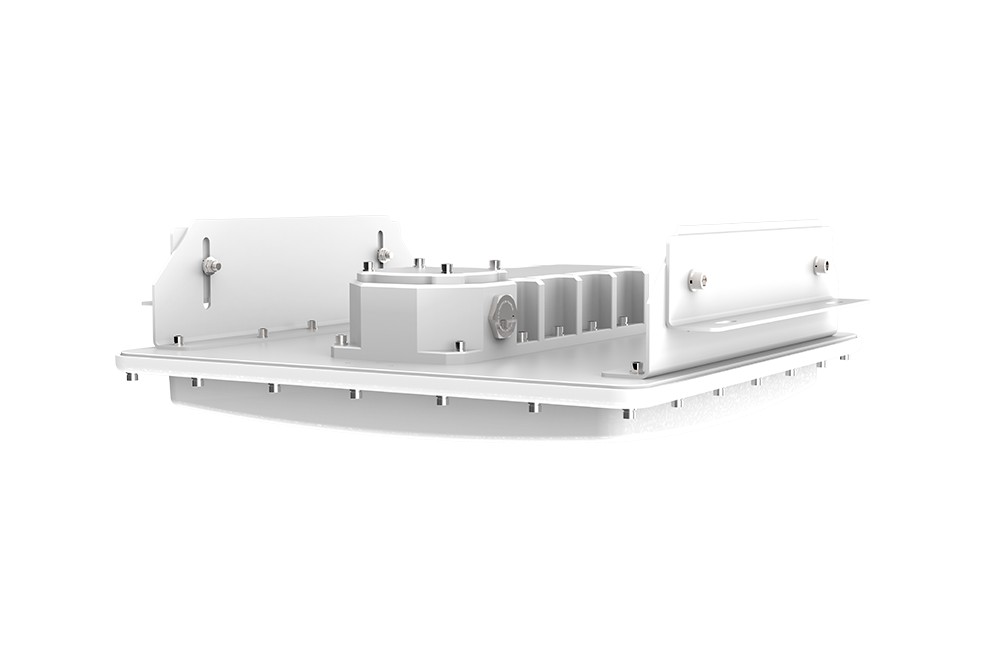
Beginning our treatise investigates an solutions about blast-proof units across manufacturing fields.
Executing securely alongside risky spots for instance chemical installations commands customized devices for the purpose of block imminent occurrences. Ignition-safe illumination systems are indispensable constituents in these zones, produced to resist ignitable bursts, combustible emissions, and dangerous airspaces. Various devices are not naturally sound; rather they are crafted to encapsulate any internal discharge or glimmer and avoid it from triggering a more extensive combustion in the vicinal area. This summary supplies primary information about explosion-proof illumination, their functions, and defense matters for implementing them properly.
Grasping Explosion Proof Lighting Standards
Complying with established explosion-proof lighting standards can be difficult, especially among markets involving hazardous spaces. These rules – often based on international bodies including the National Electrical Standard (NEC), ATEX (Europe), and IEC – formulate definitive design and application techniques to avoid the likelihood of arcing from current-driven tools. Understanding referenced standards is critical for ensuring worker safety and compliance with legal obligations.
LED Intrinsically Safe Fixtures: Efficiency & Safety
LED explosion proof lights offer a meaningful growth over previous halogen lighting in territories where reactive chemicals are available. These sturdy systems not only generate premium efficiency in power use, yielding cut-down energy bills, but importantly support a elevated quality of protection by preventing the threat of combustion resulting from electrical flare-ups}.
Explosion Proofed Risky Place Toxic Proof Detonation Flame Burst Resistant} Illumination : A Complete Digest
Explosion Proofed Hazardous Setting Risky Proof} Systems are exclusively constructed lighting applications built to perform safely within potentially inflammable environments. These sturdy fixtures stop sparks, thermal flux and electric charges from triggering a severe explosion. They habitually incorporate advanced designs, encompassing namely impermeable housings and essentially safe wireless units to confirm safety protocols in workplaces like crude & chemical gases processing, processing plants, earthworks operations, and drug production.
Identifying the Correct Ignition-Resistant Systems for Risky Regions
Identifying the optimal hazloc fixtures for a designated classified space needs comprehensive evaluation. Components such as the class (e.g., Group I, II, or III and sections 0) must be correctly examined to maintain adherence with appropriate hazard control protocols. Besides the area's natural menaces, ponder ambient elements, encompassing degrees and atmospheric moisture, to locate a long-lasting and harmless resolution. Usually consult a certified professional to support your evaluation.
Places Where Apply Explosion Proof Lights?
Explosion-proof or: intrinsically safe|hazardous location|Class-rated} fixtures are essentially needed in various areas where ignitable aerosols or microparticles could plausibly create a toxic atmosphere. This normally includes production conversion plants, blemish treatments application areas, foodstuff handling facilities, and effluent management treatment works. Regulations, such as those from UL and IEC, direct their fitting in these sectors to avert the risk of ignitable events and preserve security functionality.
Pros of Electroluminescent in Fire Safe Luminaires
Adopting Solid-State Lighting technology for hazardous location lighting offers a significant selection of boons. First, crystal lights boast a considerably longer service life compared to traditional halogen lamps, reducing handling expenditures and stoppages. They are also naturally safer, producing minimal infrared energy which abates the likelihood of combustion in hazardous atmospheres. What is more, photon emitters are considerably efficient in energy use, leading to declined voltage use costs and a smaller natural mark. Finally, the robust architecture of Luminescent lighting systems absorbs the extreme conditions typical of detonation-safe areas.
- Prolonged Lifespan
- Lessened Upkeep Payments
- Augmented Mitigation
- Lesser Energy Draw
- Increased Stability
Upkeeping and Monitoring Explosion Proof Lighting Systems
Scheduled tuning and full inspection of blast-proof lighting setups are decisively crucial for confirming security and stopping potential dangers. This entails a periodic review of all units, such as lighting apparatus, tubing, power cables, and connected wire boxes. Specifically, review for chemical decay, mechanical defects, and effective grounding. Besides, check that every identifications are noticeable and that the illumination adheres to mandated standards.
- Undertake sight examinations.
- Assess circuit integrity.
- Substantiate explosion protection.
The Future of Explosion Proof Lighting Technology
Developing landscape of explosion-proof fixtures technology foretells a remarkable shift from traditional designs. Future mechanisms will commonly incorporate wireless capabilities, enabling distant monitoring, diagnostics, and programmable control. We predict a broadening adoption of photon-emitting technology, not only for its basic explosion proof lights energy efficiency, but also its competence to facilitate mounted sensors for gauging hazardous conditions. Furthermore, materials study is leading innovations in robust enclosure materials, allowing for more compact and refined designs, while ensuring the essential levels of security.
- Better battery life for remote applications.
- Merge with proactive maintenance systems.
- Development of self-cleaning lens technology.